

Health · VR
PatientVR
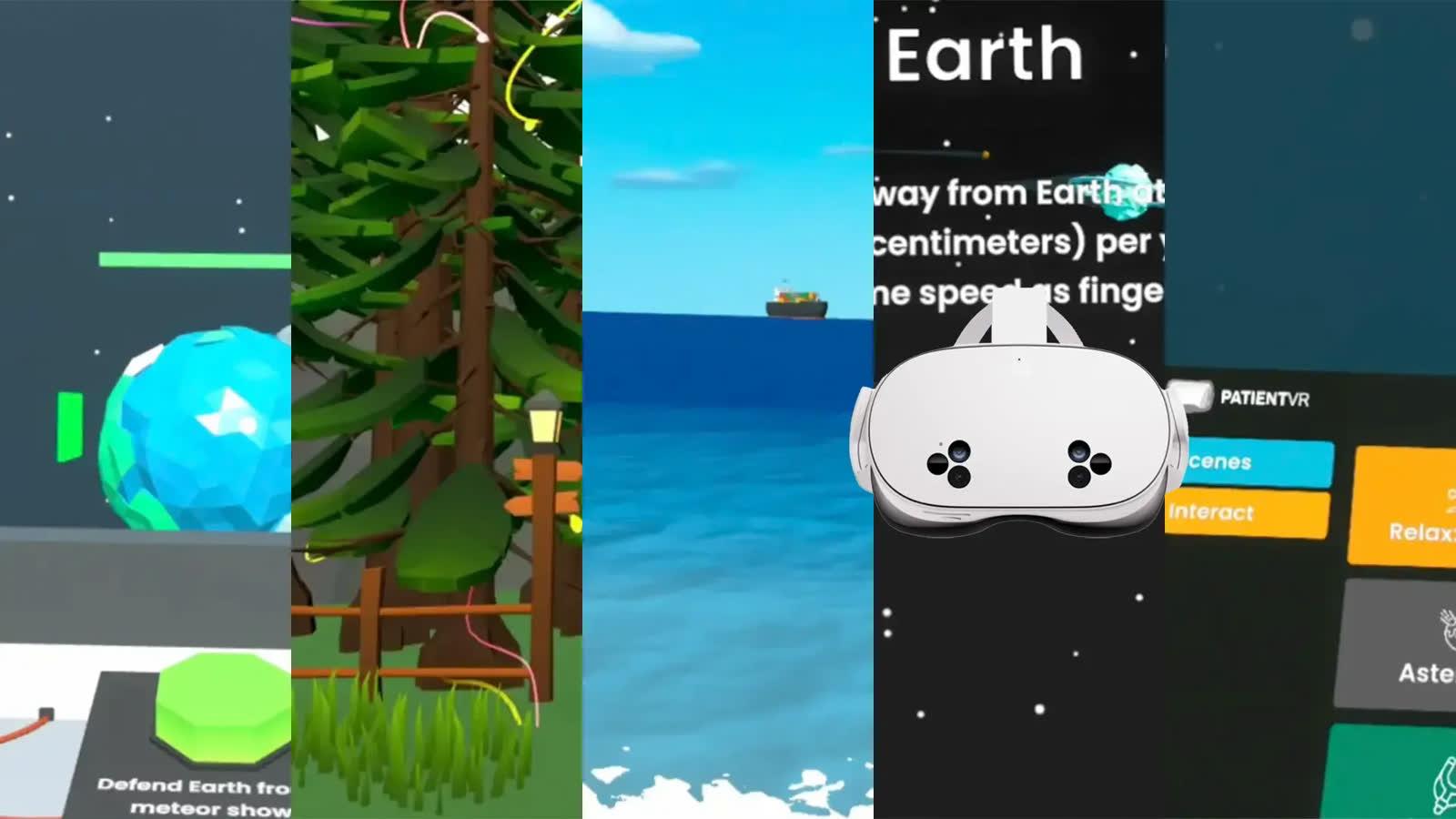
PatientVR is our virtual reality program for patient pain management and positive distraction in hospitals. It runs on M4, with headset management crafted for it.
- Client
- Mobiddiction
- Sector
- Health
- Services
- VR
- Year
- Since 2024
- Platform
- M4
- Assembled on M4 from
- Core
- Extended capability
- Custom modules
Overview
PatientVR is a virtual reality (VR) program that supports patient pain management, positive distraction and well-being in hospitals. We built it over two years, trialled it with NSW Health and Queensland’s Metro South Health at Nepean Hospital Palliative Care and Logan Hospital, and showed it in the UK through the Investment NSW Going Global Program. PatientVR runs on M4, our multi-tenant platform. M4 manages the content library and the headsets, so each hospital’s library can be tailored to its use case.
Problem Statement
Patients undergoing treatments in palliative care, oncology, and post-operative recovery often experience significant distress, anxiety, and discomfort. Traditional pain management methods rely heavily on medication, which may not always be effective or desirable. Healthcare providers needed an alternative, non-invasive solution to enhance patient comfort, positive distraction and improve the hospital experience.
How PatientVR comes together on M4
Every PatientVR deployment starts from the same M4 core. We extend what needs to work differently, and craft only what exists nowhere else.
Core. Sign-in, workspaces, roles, media, notifications and analytics, used as they are.
Extended capability. Media, extended with adaptive streaming for large stereo VR video, switched on for PatientVR.
Custom modules. Crafted only for PatientVR and plugged into the core: headset pairing by code, headset health reporting (battery and storage) and re-pairing, per-headset content and licences, and stereo video with spatial audio.
Design
The design process was driven by user experience research and medical insights. We crafted virtual environments that promote relaxation, mindfulness, and engagement, working closely with industry experts to ensure relevance. Our focus was on intuitive interactions and soothing visuals, grounded in user experience research and clinical advice.
Development
Developing a VR solution for patient care presented unique challenges. Hospitals often lack the infrastructure or expertise for immersive VR, so we built PatientVR to need very little setup. The experience runs on a standalone VR headset, and M4 manages content and headsets remotely. PatientVR collects no patient or health information, and headsets play content offline once it is downloaded. Pairing a headset links the device to your organisation’s account and nothing more. Developed and operated under Mobiddiction’s Information Security Management System, certified to ISO/IEC 27001:2022 by an independent, accredited auditor. We tested it with hospitals to refine it for real-world use.
The Experience
Virtual reality is still relatively new in clinical environments, which required careful research and design into usability and constraints. PatientVR delivers immersive, interactive content that provides comfort and distraction during medical procedures. The content ranges from calming nature landscapes to gamified interactions. The design prioritises accessibility, ensuring ease of use for both patients and medical staff. Our research into human-centred design and user experience was crucial in making VR a viable and effective tool in healthcare, ensuring it serves as a tool to enhance well-being rather than merely an escape.
Ongoing
PatientVR has been trialled at Nepean Hospital Palliative Care and Logan Hospital. We continue to refine it with feedback from medical professionals, develop new content for different cultural and clinical contexts, and talk with hospitals and healthcare providers about new deployments.
The blocks PatientVR is assembled from
The M4 core we configure, what we extend for this program and the custom modules we craft for it. Each block links to its capability.
Core · configured
Shared features every program uses as they are. We run them, secure them and keep them current for everyone.
Extended capability · extended
A core feature we extend for your program, with your own fields, rules and behaviour, without changing it for anyone else.
- Media streaming
Deliver large video by adaptive streaming, for the programs that need it.
Custom modules · crafted
Modules we craft only for your program and plug into the core, so they use features like sign-in, media, notifications and data.
- VR headset management
Pair, monitor and load virtual reality headsets for patient care.
More case studies like this
Programs that share a sector or a kind of work with this one.
Project type: Health · VR
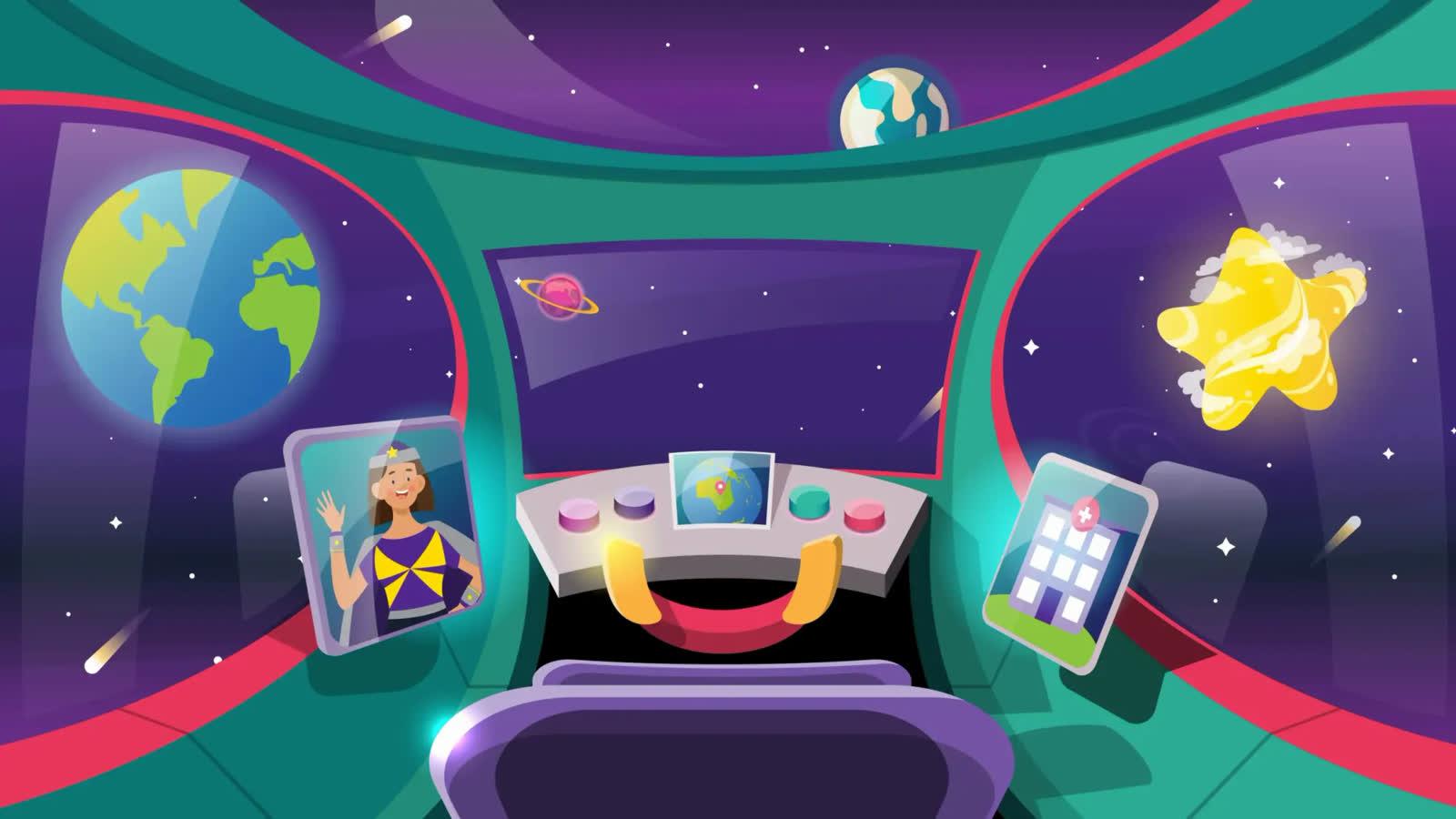
RocketCrew VR
RocketCrew is a space-themed VR adventure on PatientVR for the Starlight Express Rooms at Sydney Children’s Hospital, Randwick and Westmead Children’s Hospital.
Read case study
Project type: Health · VR
VapingVR
Experience VapingVR by Mobiddiction, an immersive educational VR that shows the real health effects of vaping through interactive 360° learning.
Read case study
See how your program would come together on M4
Talk to the team behind this work. We’ll show you what M4 covers, what we would extend and what we would craft for you.