

Business strategy
AI in Software Development: Five Questions to Ask Your Supplier
Mobiddiction ·
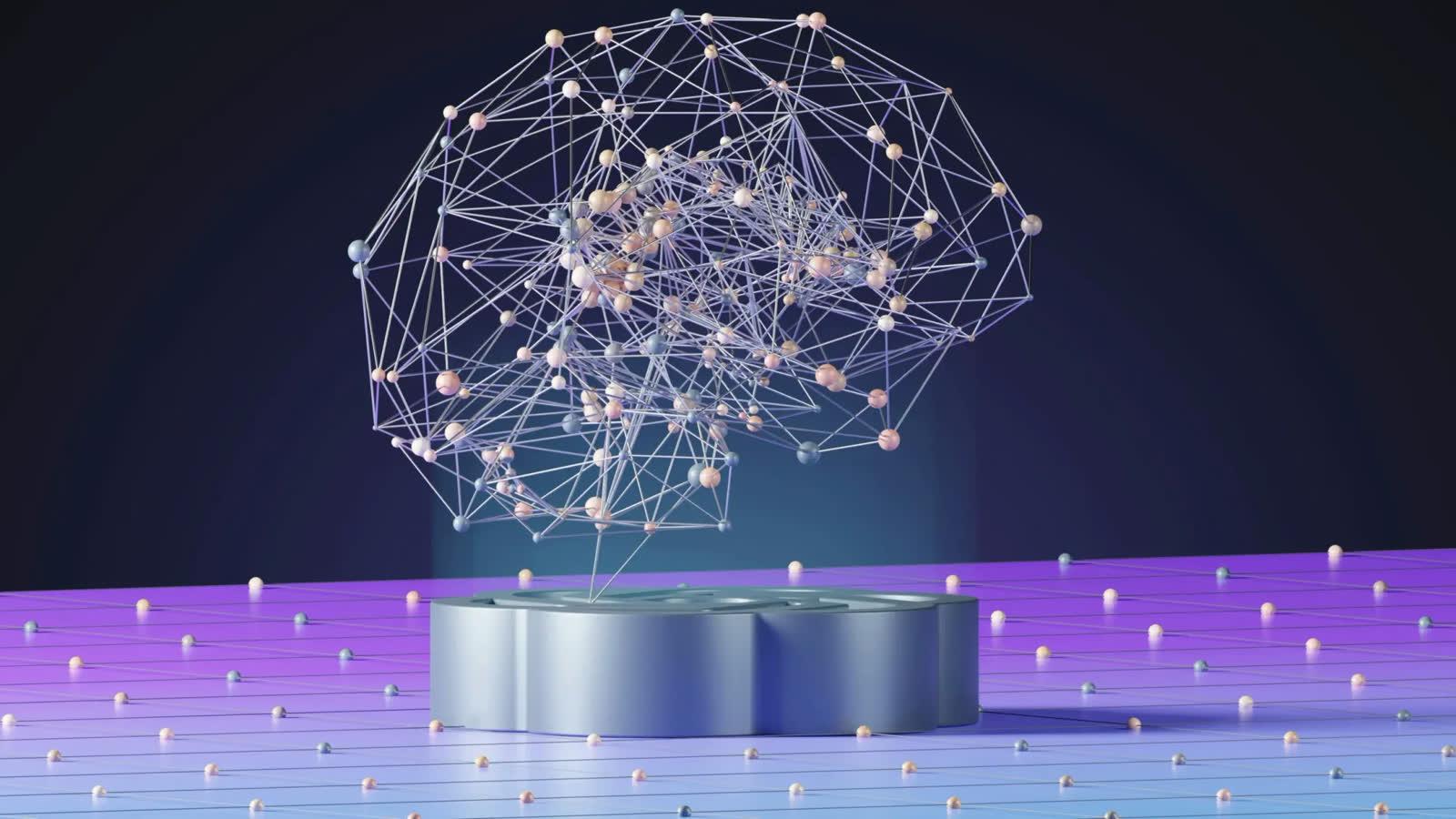
AI now helps write, test and maintain software. It speeds up routine work, and it adds new questions about data, quality and accountability. This post covers what has changed and what has not, then gives five questions for anyone buying software from a supplier that uses AI.
The Rise of Artificial Intelligence in Software Development
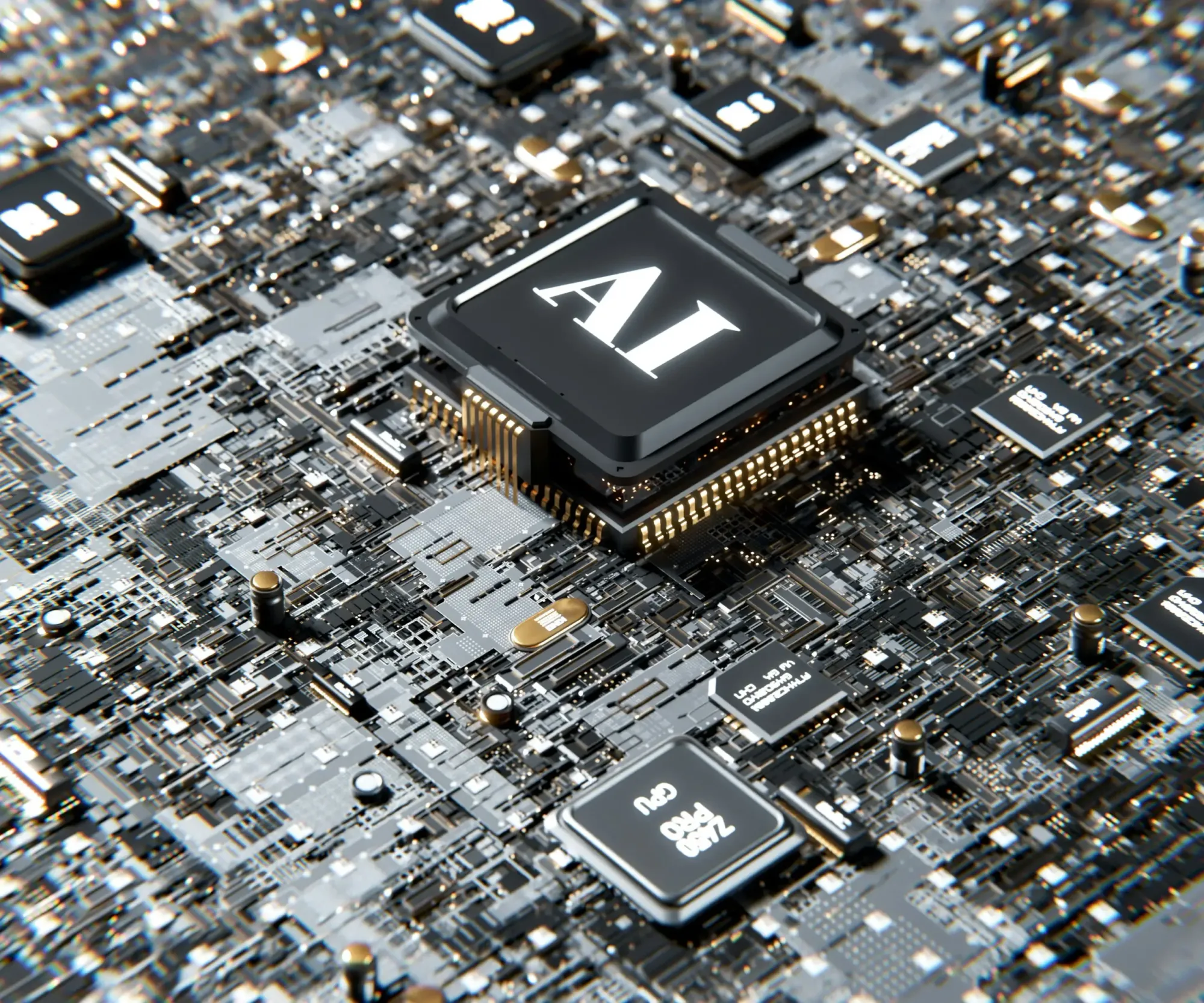
In recent years, artificial intelligence in software development has evolved from a trend to an essential part of modern engineering. AI tools now assist developers in writing cleaner code, spotting bugs earlier, and predicting potential system issues before they arise. Routine coding tasks can now be done much faster, which leaves more time for design and review.
How AI Is Transforming the Role of Software Engineers
The role of a software engineer is shifting quickly. Thanks to AI for software engineers, many repetitive tasks such as debugging and testing are now automated. This allows developers to spend more time designing better architectures and improving user experiences. AI isn’t taking away the creative part of engineering. It’s amplifying it, allowing developers to achieve more with less effort.
Emerging AI Software Development Trends Shaping the Future
As artificial intelligence continues to evolve, it’s not just supporting developers. It’s reshaping the entire software development landscape. From faster coding to predictive project insights, AI is driving a new era of innovation that prioritises speed, accuracy, and smarter decision-making.
Here are some of the most significant AI software development trends shaping the future:
Code assistants suggest and complete code in real time, which speeds up repetitive work.
AI models can now forecast project risks, timelines, and performance outcomes, helping teams make data-driven decisions with greater confidence.
Intelligent testing systems detect bugs and vulnerabilities earlier in the process, reducing human error and improving software reliability.
From continuous integration to deployment, AI optimises pipelines, monitors performance, and ensures smoother, faster releases.
AI algorithms identify threats and anomalies in real time, strengthening cybersecurity across applications.
AI and Software Engineering: Redefining Core Processes
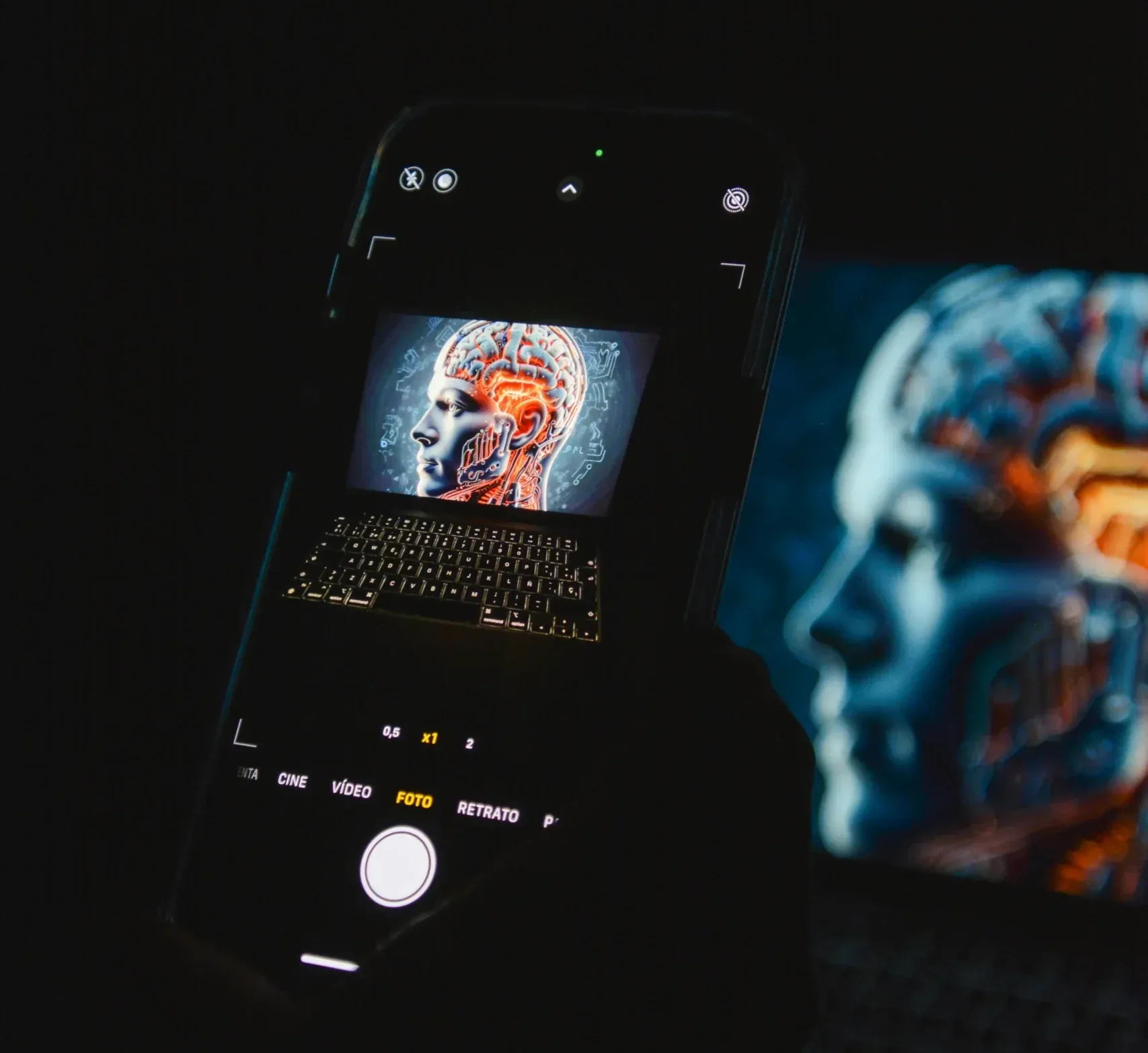
The integration of AI and software engineering is reshaping traditional workflows. Machine learning algorithms can analyse performance data, optimise code efficiency, and detect security risks early. Natural language processing (NLP) tools are improving documentation and collaboration across teams. AI is no longer just a support tool. It’s becoming a vital part of the development process itself.
The Shift Toward AI-Powered Software Development
The move toward AI-powered software development is transforming how organisations deliver technology. Intelligent automation is now streamlining deployment pipelines, scaling applications, and customising user experiences. By combining human insight with machine learning, businesses can release better products faster, without compromising quality or security.

Five Questions to Ask Your Supplier
As AI continues to reshape how software is built, it also introduces new responsibilities for developers and organisations. Innovation must go hand-in-hand with ethics to ensure that technology serves people, not the other way around. Balancing automation, transparency, and accountability is now essential in every stage of AI-powered development.
Here are five questions to put to any supplier that uses AI in your program:
- Where does our data go? AI systems rely on large datasets. Ask where your data is processed and stored, who can see it, and which controls protect it.
- How are bias and errors caught? Models can reflect bias in their data. Ask how outputs are monitored and tested, and what the supplier does when one is wrong.
- How are decisions documented? People need to understand how an AI-assisted decision was reached. Ask for clear documentation that can be explained to users and stakeholders.
- Who reviews what the AI produces? Automation raises efficiency, but relying on it too much reduces human oversight. Ask who checks AI-assisted work before it ships.
- Who is accountable? Every AI-driven project needs human review and governance, so that decisions line up with your values and regulations. Ask who answers for the result.
The Future of AI in Software Development
The future of AI in software development lies in collaboration, not competition. We’re entering an era of self-learning systems, adaptive platforms, and intelligent design assistants that work with developers to enhance creativity, precision, and problem-solving. This partnership between human expertise and artificial intelligence will shape the next chapter of digital innovation, where technology doesn’t replace us, but empowers us to build smarter and faster than ever before.
AI Isn’t Replacing Developers: It’s Elevating Them
There’s a growing misconception that AI will replace developers. The truth is, it’s helping the entire industry evolve. These are still early days, and new tools and solutions are emerging almost daily. AI automates the routine so that humans can focus on the complex: strategy, architecture, and innovation. It’s not about less human input, but about smarter human output.
But to truly benefit, businesses need to adapt. The companies that embrace AI as part of their development process will move faster, deliver smarter products, and stay competitive. From code generation and debugging to QA automation and release management, AI is becoming part of every stage of the software lifecycle. Those that don’t evolve risk being left behind as the industry moves forward.
Integrating AI isn’t just about keeping up with trends. It’s about building resilience and future readiness. That said, adoption must come with awareness. Understanding the risks around data security, intellectual property, and overreliance on AI-generated output is essential. Responsible use of AI means knowing where it adds value and where human oversight remains critical.
When used thoughtfully, AI becomes a useful co-pilot, one that accelerates innovation while keeping human creativity firmly in the driver’s seat.
Frequently Asked Questions
AI is changing software development by automating coding, testing, and debugging tasks, allowing developers to focus on more complex and creative aspects of projects. It enhances productivity through intelligent code suggestions, natural language programming, and predictive analytics that anticipate development needs.
AI increases efficiency, reduces human error, and accelerates project timelines through automation and intelligent assistance. It also improves decision-making with data-driven insights, enabling more accurate predictions and optimised software performance.
AI automates repetitive testing processes, identifies bugs faster, and predicts potential failure points before deployment. Machine learning models analyse patterns from past test data to enhance accuracy and reduce manual intervention in quality assurance.
AI cannot fully replace human developers but serves as a powerful assistant that enhances productivity and creativity. Human intuition, problem-solving, and design thinking remain essential for innovation and managing complex software requirements.
What should we ask a supplier about their use of AI? Ask where your data goes, who reviews what the AI produces before it ships, how bias and errors are caught, how decisions are documented, and who is accountable. These are the five questions above.
AI optimises every stage of the SDLC, from requirements gathering and coding to testing and maintenance, by enabling automation and predictive analytics. It reduces development time, enhances collaboration, and ensures continuous improvement through adaptive learning systems.
Challenges include high implementation costs, data privacy concerns, and the need for skilled professionals to manage AI systems. Additionally, reliance on AI may introduce biases or errors if training data is flawed or incomplete.
How AI Fits Into Programs on M4
On M4, an AI assistant is part of the core. We configure it for your program’s own content and knowledge base, on the same managed core as everything else. Whatever tools a team uses, a person should review what ships. M4 is developed and operated under Mobiddiction’s Information Security Management System, certified to ISO/IEC 27001:2022 by an independent, accredited auditor.
Tell us what your program needs. We’ll show you what M4 already covers, what we’d extend and what we’d build for you. Talk to us.
More reading
Business strategy · AI
The Evolution of Software Creation: Five Forces Shaping Government and Enterprise
From Waterfall to Agile to AI-assisted delivery: how software creation has changed, and five forces that matter to Government and Enterprise programs.
Read article
Technology · Business strategy
IT Consulting vs Software Development: Do You Have to Choose?
Consulting works out what to build. Software development builds it. For Government and Enterprise programs, the two work best together on one platform.
Read article
Business strategy
Our Information Security Management System is certified to ISO/IEC 27001:2022
Mobiddiction’s Information Security Management System is now certified to ISO/IEC 27001:2022 by an independent, accredited auditor. Visit our Trust Centre.
Read article
Turn the ideas in this article into a working program
We assemble and run Government and Enterprise programs on M4, our multi-tenant platform. Tell us what you are working on.