

Business strategy
The Evolution of Software Creation: Five Forces Shaping Government and Enterprise
Mobiddiction ·
Since 2012 we have built and run digital programs for Government and Enterprise, and the way software is made has changed more than once in that time: from Waterfall to Agile, to continuous delivery, and now to AI-assisted development. What has not changed is the question that matters. Will it keep working, securely, for years?
From Waterfall to Continuous Deployment
In the early days, software followed the Waterfall model: a rigid, step-by-step process where each stage had to be completed before moving to the next. It offered structure but limited flexibility, often resulting in long delivery cycles and software that didn’t quite meet user needs by the time it launched.
Then came Agile, transforming development into a collaborative and adaptive process. Teams began iterating faster, testing and improving continuously, and software became more responsive to business needs.
Today, many organisations operate on Continuous Integration and Continuous Deployment (CI/CD), where updates roll out multiple times a day through automated testing and delivery pipelines. This shift has brought agility and speed, but it’s also increased the need for robust processes and reliable security.
The Explosion of Choice: Languages, Frameworks, and Hybrid Tech
The modern developer toolkit is vast. With dozens of programming languages, open-source frameworks, cloud platforms, and hybrid solutions, not to mention immersive technologies like VR and AR, teams can now build faster and smarter.
However, the sheer variety of tools also means that choosing the right tech stack is critical. It affects scalability, security, and how future-ready your product will be. These tools mean small teams can now build solutions that once required enterprise-scale resources.
Enter the AI Era: Conceptualise, Create, Test, Release
AI is reshaping how we build software, from idea to execution. Machine learning models and generative AI tools can now help conceptualise product ideas, generate code, test functionality and prepare updates. That speeds up routine work. It does not remove the need for people to design, review and run what gets built.
But while AI offers tremendous power, it comes with new responsibilities.
The Pitfalls of Over-Reliance on AI
Relying too heavily on AI-generated code or design can open the door to security gaps, inconsistent performance, and unintended data exposure. If your team doesn’t fully understand what’s being created, maintaining or scaling that product becomes risky.
AI also can’t transform a business model overnight. True transformation still depends on human understanding: aligning technology with customer needs, workflows, and long-term strategy.
Five Forces Shaping Government and Enterprise Software
As AI and digital technology evolve, here are five forces that matter when a program has to run for years:
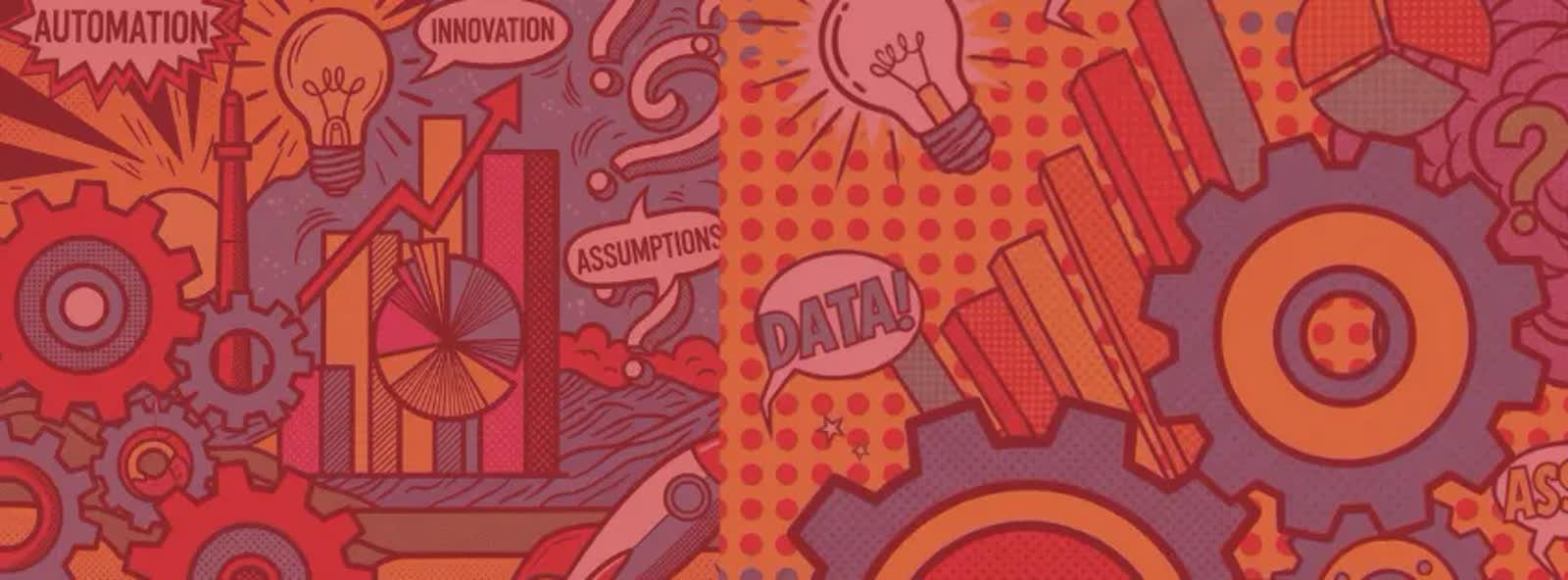
1. Automation
Repetitive manual work is giving way to smart automation. From onboarding to reporting and workflow management, automation frees teams to focus on innovation and customer value.
2. Analytics
AI-driven analytics make it easier to understand customers, markets, and performance. Those who know how to interpret the data gain a clearer view of what is working.
3. Assurance
AI-assisted delivery makes review, security and accountability more important, not less. Know where your data goes, who checks what ships, and which independent audit your supplier works under.
4. Assumptions
AI challenges business assumptions by revealing patterns and insights we might not see ourselves. Teams that stay curious and question the old ways of doing things are the ones that keep improving.
5. Reuse
Most programs need sign-in, permissions, content, media and notifications before they need anything unusual. Building those once and reusing them leaves your time and budget for what is specific to you. That is how we assemble programs on M4: a managed core every program shares, extended where yours needs it to work differently, with custom modules for what is yours alone.
That’s why at Mobiddiction, we see AI not as a replacement for human creativity but as an accelerator for it. Used wisely, it speeds up routine work and leaves people to focus on the “why” behind the build.
In Closing
The evolution of software creation reflects a simple truth: technology never stands still. From waterfall to AI, every shift has brought new opportunities to innovate, connect, and grow.
At Mobiddiction, we continue to embrace these changes, combining deep technical expertise with human insight to help our clients stay ahead securely, intelligently, and at the right pace.
AI is here to amplify the people who build and run software, not replace them. For Government and Enterprise, the work is the same as it has always been: pick a sound foundation, review what you build, and plan for the years after launch.
Mobiddiction builds each Government and Enterprise program on M4, our multi-tenant platform. Every program starts from the same managed core: sign-in and security, people and permissions, workspaces, content, media and notifications. Where a core feature needs to work differently for you, we extend it without changing it for anyone else. Where you need something that exists nowhere else, we craft it as its own module and plug it into the core. See how M4 works.
More reading
Business strategy · AI
AI in Software Development: Five Questions to Ask Your Supplier
AI is changing how software is built, tested and run. Here is what has changed, what has not, and five questions to ask a supplier who uses it.
Read article
Technology · Business strategy
IT Consulting vs Software Development: Do You Have to Choose?
Consulting works out what to build. Software development builds it. For Government and Enterprise programs, the two work best together on one platform.
Read article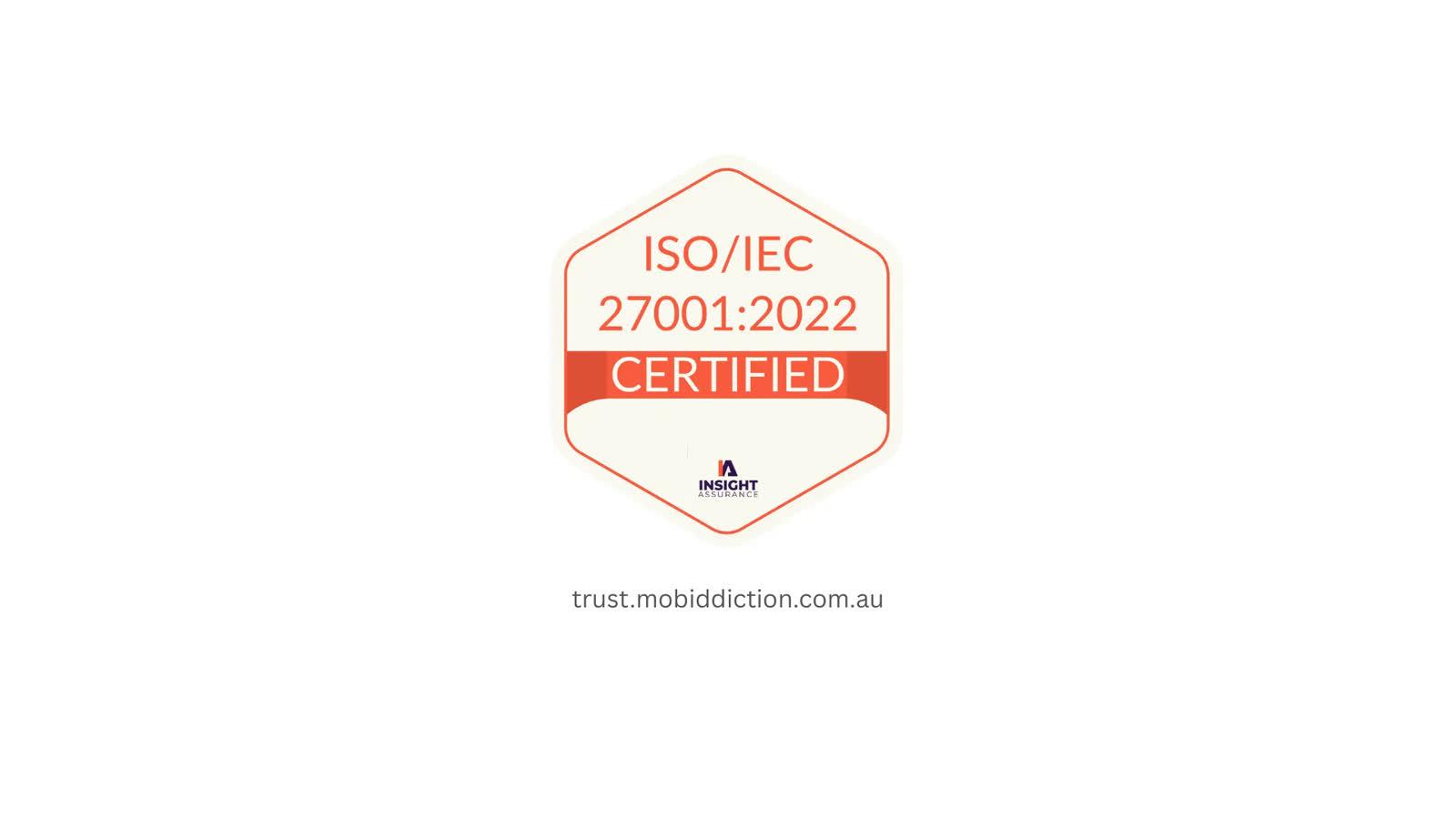
Business strategy
Our Information Security Management System is certified to ISO/IEC 27001:2022
Mobiddiction’s Information Security Management System is now certified to ISO/IEC 27001:2022 by an independent, accredited auditor. Visit our Trust Centre.
Read article
Turn the ideas in this article into a working program
We assemble and run Government and Enterprise programs on M4, our multi-tenant platform. Tell us what you are working on.